
Dear Readers,
To those in Australia, I hope you have enjoyed your first week of Autumn – or as they say here, ‘Fall’! Finally, after months of snow and ice, Philadelphia has begun to warm up into Spring. In fact, the day that I’m writing this, we have a high of 22°c! I can
finally open the windows and take off my snow jacket!!
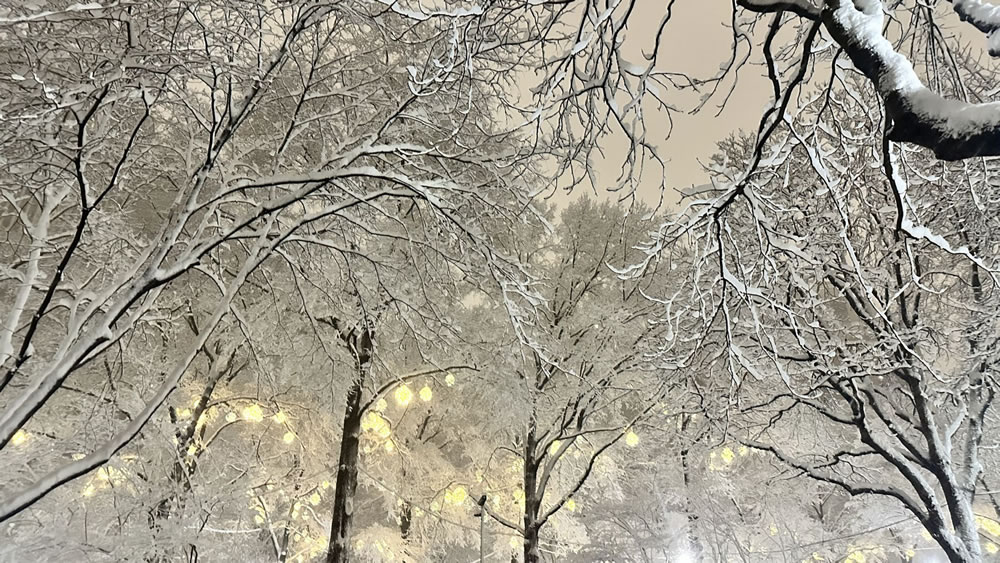
Rittenhouse Square in all its snowy glory on the 23rd of February
In other news, late February and early March have featured new performances in Philadelphia – including one of my own. On the 28th of February, I watched Curtis Opera Theatre’s performance of La Passion de Simone by Kaija Saariaho, libretto by Amin Maalouf, then on the 4th of March I partook in Curtis’ Vocal
Department Recital.
To finish it all off I watched Philadelphia Orchestra’s performance of Mahler’s Symphony No.2 just yesterday! I have enjoyed them all profusely.
First on the list: Saariaho’s La Passion de Simone.
It was an absolutely amazing opera, and also one I almost didn’t see! My original tickets were for Thursday, but due to a misclick on my calendar, I thought it began 30 minutes later than it actually did. Because the opera is only 75 minutes without intermission,
neither I nor my poor friend who had trusted me with the tickets were allowed in. I felt terrible! Luckily some very lovely, and generous, connections got us some tickets for closing night on Saturday where we were fortunate enough to sit in the third row
from the front.
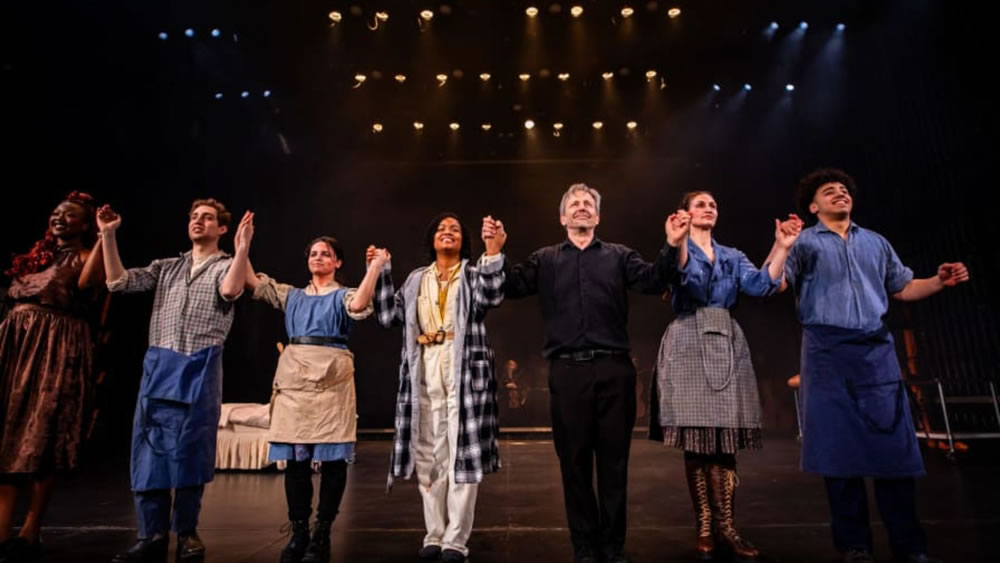
The cast bows with conductor Marc Lowenstein following the performance. From L to R: Nikan Ingabire Kanate (Narrator), Sebastian Wittmoser Herrera (Bass), Maya Mor-Mitrani (Soprano), Jeysla Rosario Santos (Reader), conductor Marc Lowenstein, Carlyle Quinn (Alto), Henry Drangel (Tenor) – Photo Roundup courtesy of Ashley Smith | Wide Eyed Studios
The opera is incredibly unique. Its story isn’t linear, instead being described by Marcus Shields, the director, as an opera that “offer(s) a series of meditations that circle a human being who refused comfort, belonging, and to look away from suffering”.
It comprises fifteen ‘stations’ which each exhibit a new discovery or experience felt by Simone until her death in 1943 at only 34 years old. She was a philosopher and activist, who I encourage you to research and draw your own conclusions about – an excellent video can be found following this link here.
The music and performers were brilliant, and the visuals, and what they symbolised, I felt were executed wonderfully. What I loved most was the discussions it ignited amongst my friends and I about activism, solidarity, mental health and the current state
of the world. As I discover new operas, especially ones written within the last century, I find that there is often so much to unpack and uncover – and also to debate – about what the story, and composer, really want to share with us.
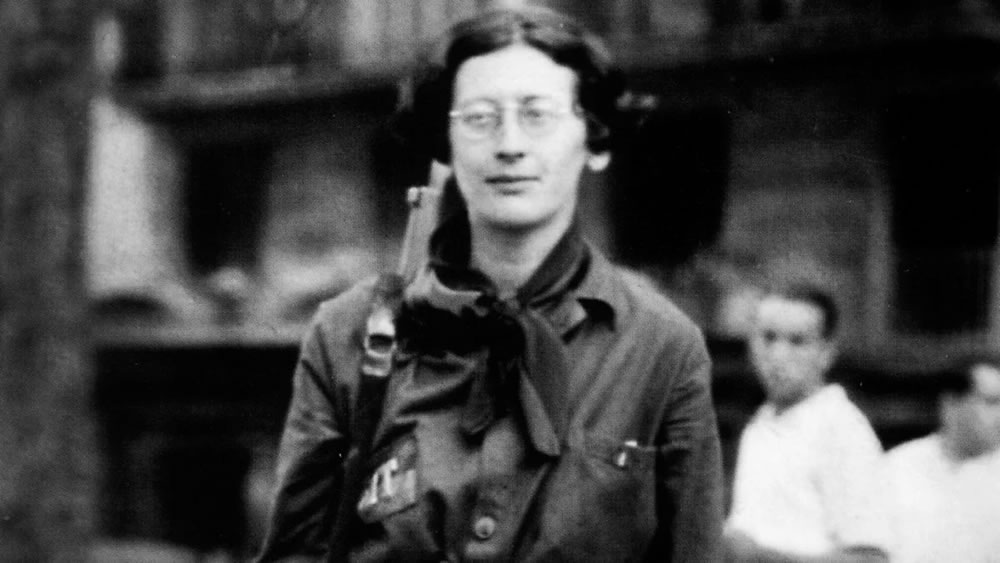
Simone Weil – Photo from Full Frame Documentary Film Festival
Continuing on with performances I have watched over the last few weeks, Mahler’s Symphony No.2 was phenomenal. Not only did it feature the amazing Philadelphia Orchestra and Philadelphia Symphonic Choir, but it also included two amazing soloists: mezzo-soprano Joyce DiDonato and soprano Ying Fang – both who I really look up to!
Hearing them live, and doing such an earth-shatteringly beautiful piece as well, was so exciting! On multiple occasions I caught myself wiping my nose and crying, especially by the end, which in Mahler’s original programming he described as “A feeling of overwhelming love fills us with blissful knowledge and illuminates our earthly life”. You can read an article discussing and analysing the full symphony here.
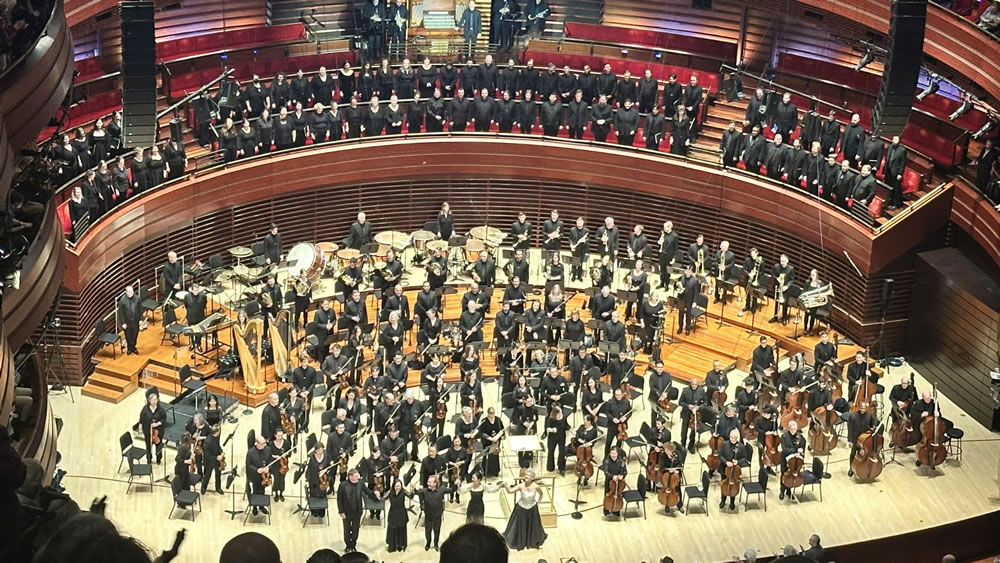
Performers bow on the closing night of Symphony No.2 by Mahler at the Marian Anderson Hall
The conductor was Yannick Nézet-Séguin, the current music director for the Metropolitan Opera (New York), Orchestre Métropolitain (Montreal), and the Philadelphia Orchestra. Curtis is lucky enough to have him for many of their conducting masterclasses and performances! Just yesterday, he sat on the panel for Curtis’ conducting auditions and directed a conducting lab for our current students using sections from Bizet’s Carmen.
It was a pleasure to sit and watch the masterclass, which featured both the Curtis Orchestra and masters students from the vocal department singing the roles. He will be conducting one of CSO’s major concerts on the 26th of March, featuring works by Gustav
and Alma Mahler, Wagner and Dawson.
I hope to go into more detail in my blog at the end of this month about my first time performing in Field Concert Hall – I am mostly waiting so I will have some photos and videos of the show to share with you all, which I unfortunately have to wait until later this month to receive…
In the meantime though, I am very glad to share that the performance was not only well-received, but an absolute pleasure to perform. In fact the whole recital, which included many of my colleagues, has really been a highlight of my year. I performed a short
series of Samuel Barber’s early compositions – all of which were published posthumously. The link to the full program can be found here!
I look forward to writing again for you all very soon xx